For decades companies paid for two different things under one word. AI makes one of them nearly free and the other scarce. What that means for structure, leadership and risk — with data, not forecasts.


of studied GenAI pilots produced no measurable bottom-line effect. The models did not fail. The organizations around them did.
MIT Project NANDA · preliminary, not peer-reviewedmore often employees confirm their organization works differently when their manager actively backs AI. In Germany, 21% experience that.
Gallup · US survey and German Engagement Indexlonger experienced developers took with AI — while believing they were 20% faster. They discarded more than half the output.
METR · randomized trial, snapshot of 2025All five start from the same distinction: coordination can be replaced, judgement cannot. Each topic works as a keynote, panel, guest article or podcast. Length and depth depend on the occasion.

AI initiatives fail on missing organizational context, not on the model. The talk shows how to tell that your knowledge foundation will not hold, and what role the leadership layer plays in that.
Demographics as an operational risk. How organizations identify critical roles and secure experience before the calendar decides. And why the layer where judgement forms is disappearing at the same time.
Middle management decides whether an AI rollout reaches the wider organization. In German companies roughly one fifth of employees experience active support from their own manager. The talk explains why this is not a question of attitude.
The market is looking for juniors with senior judgement, while having stopped training them. You cannot buy judgement when nobody provides the years in which it forms.
A person's error rate does not change with AI, their throughput does. Approving fifty drafts a day without being able to judge one means making fifty decisions you never actually made.
Sixteen short passages from talks in 2025 and 2026. Click to play with sound.
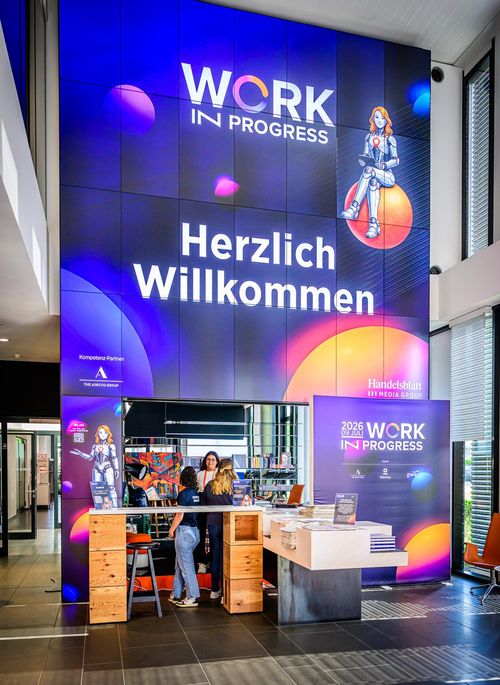
In chronological order, most recent first. Talks, trade articles and podcast conversations from 2025 and 2026. Most coverage is in German.
Handelsblatt
Frankfurter Allgemeine Zeitung
WirtschaftsWoche
Haufe
Mannheimer Morgen
Persoblogger
Versicherungsbote
Basic Thinking
08/2026
07/2026
06/2026
10/2025
10/2025
10/2025
09/2025
07/2025
06/2025We have twelve pilots running and none of them at scale. After the talk it was clear we had been asking the wrong question. It was never about the model.

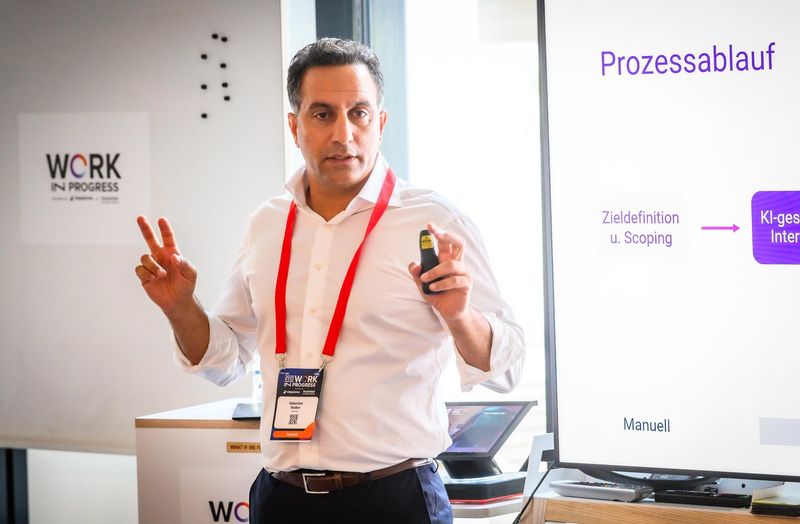
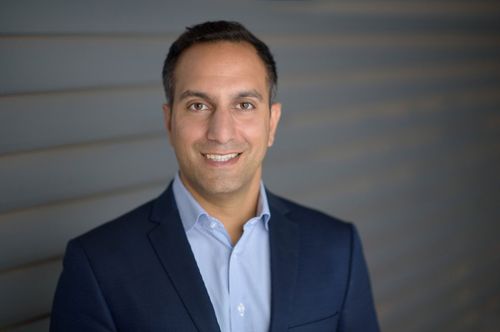
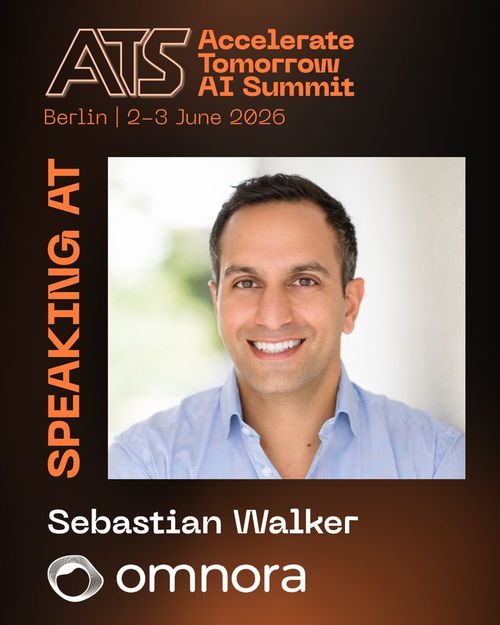
For more than fifteen years Sebastian Walker has worked on one of the most critical resources in any company: the knowledge held by its people and experts.
As founder and CEO of Omnora he works on making internal know-how systematically accessible, across teams, at scale and machine-readable. Not as an archive, but as a basis for decisions. For humans and for AI systems.
His clients are mid-sized companies and corporates that have realised tool rollouts fizzle out without usable knowledge, and that efficiency gains appear where people and machines work with the right information.
On stage and in podcasts he is a sparring partner for decision-makers who value plain speaking. His contributions are practical and come without promises of salvation.
“Plenty of companies invest in AI, but almost none make sure the systems are working with the right knowledge.”
Sebastian WalkerCoordination and judgement were never paid for separately. Now they have to be thought about separately.
Where does a sign-off currently sit with someone who cannot judge the content?
Rejection rate instead of adoption rate. Measurable from next week, without budget.
Every keynote is tailored to the occasion, the audience and the intended effect. Also available as a guest article, feature or podcast conversation. A prep call is always part of it.
Request a date