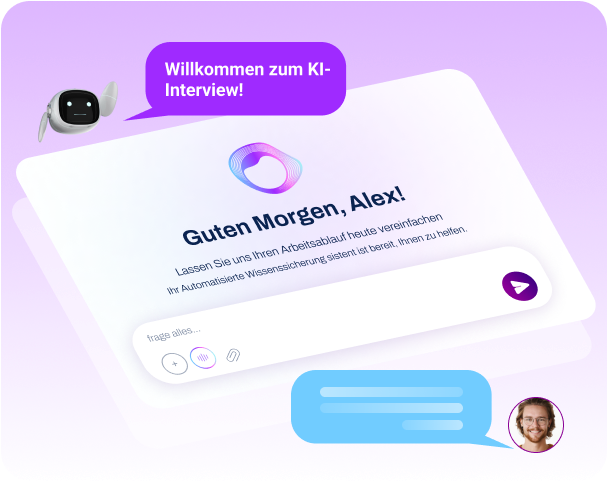
Secure experiential knowledge automatically, via AI expert interviews.

Omnora conducts method-based interviews with your experts, asks the right follow-up questions, and also utilizes implicit knowledge. Documents and media can be included as context, ensuring that the results are immediately applicable and don't end up as just interview notes lost in the void.
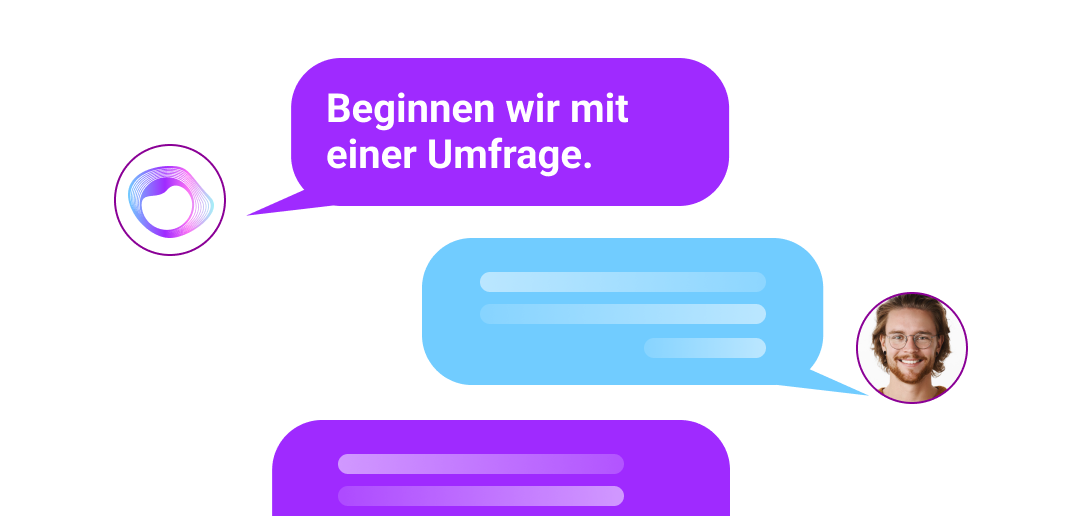
  • Methodology-based AI expert interviews: start exploratively, dive deep, follow up when necessary, no typing required.
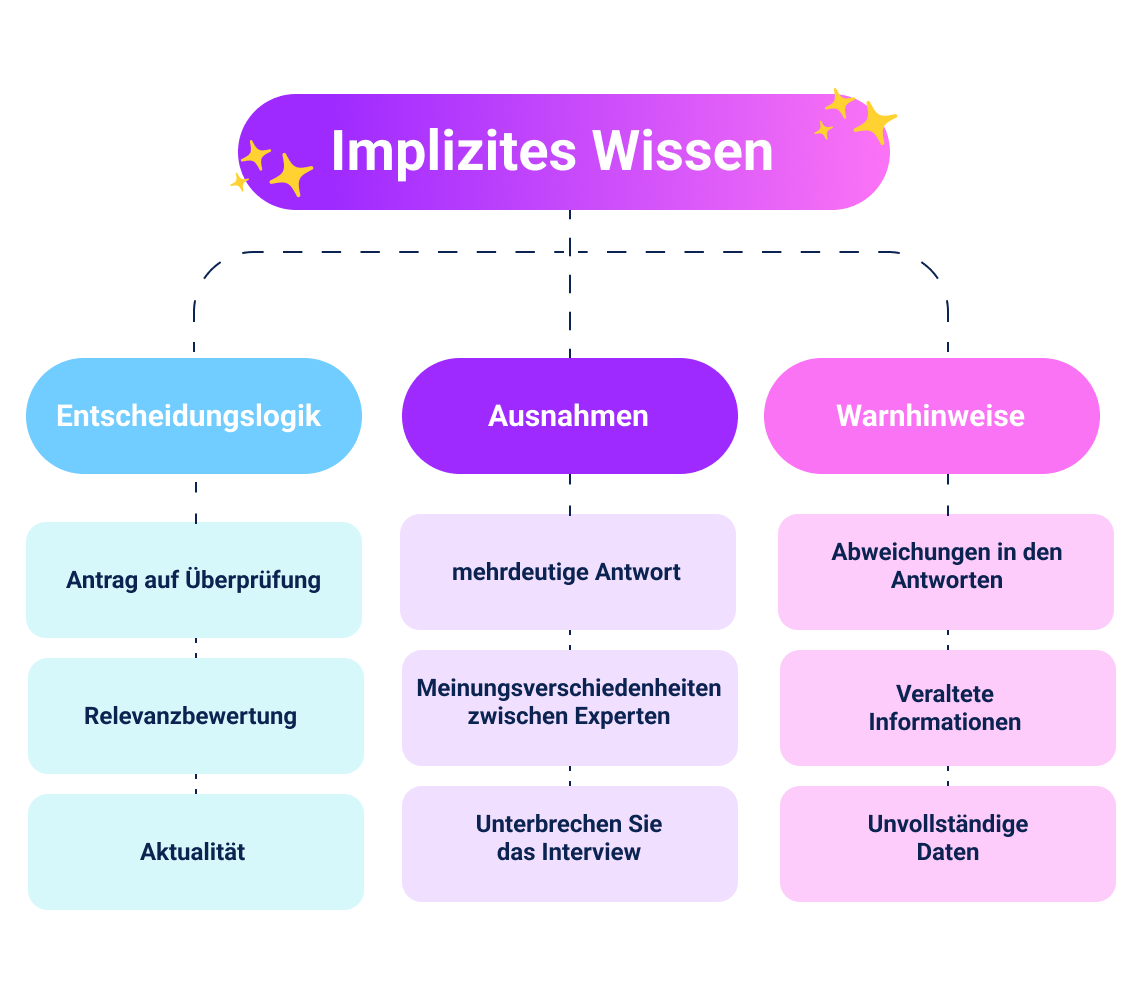
  • Implicit knowledge becomes tangible: experience, decision-making logic, exceptions, and warning signs—the "why" behind the "what."
  • Include documentation: PPTs, PDFs, guidelines, or recordings are used as context during the interview.
  • Make results directly usable: handovers, knowledge articles, and training sessions fit into your existing landscape.

Used by teams that don't leave knowledge to chance

Over 650 companies trust us

aok company logo
universal investment company logo
viessmann company logo
dpd company logo
db company logo
adac company logo
aok company logo
universal investment company logo
viessmann company logo
dpd company logo
db company logo

What our customers say:

Stephan Heyne

Head of HR Talent & Competence Management
"With Omnora, we have created more knowledge content in one year than in the last 10 years on the intranet."

Alois Gschrey

Personnel development
"We were looking for a streamlined solution to spread our information and Omnora met these requirements."

Shakya Udugama

Learning Expert
"If you have something to train, you can save a lot of time with Omnora"

Marius Leuchtner

Head of Recruiting and Personnel Development
"We used to need two to three takes per video and additional editing work. With Omnora's AI, I now can create a complete video from a PowerPoint presentation in just a few minutes."

Michael Pirke

Head of Academy
"We use Omnora for everything from managers to sales representatives, the HR department and our retail partners."

Magdalena Nolte

Senior Expert Learning Consulting
The Omnora AI makes our employees' work much easier

Why automated knowledge backup pays off immediately

Securing handovers:

Knowledge remains available even when roles change or employees leave.

Shorten the onboarding process:

New colleagues can find answers and suitable learning formats without blocking experts.

Breaking up head monopolies:

Knowledge is decoupled from individuals and becomes searchable and reusable for teams.

Maintain quality:

Standards, exceptions, and decision logics are clearly documented, not just process steps.

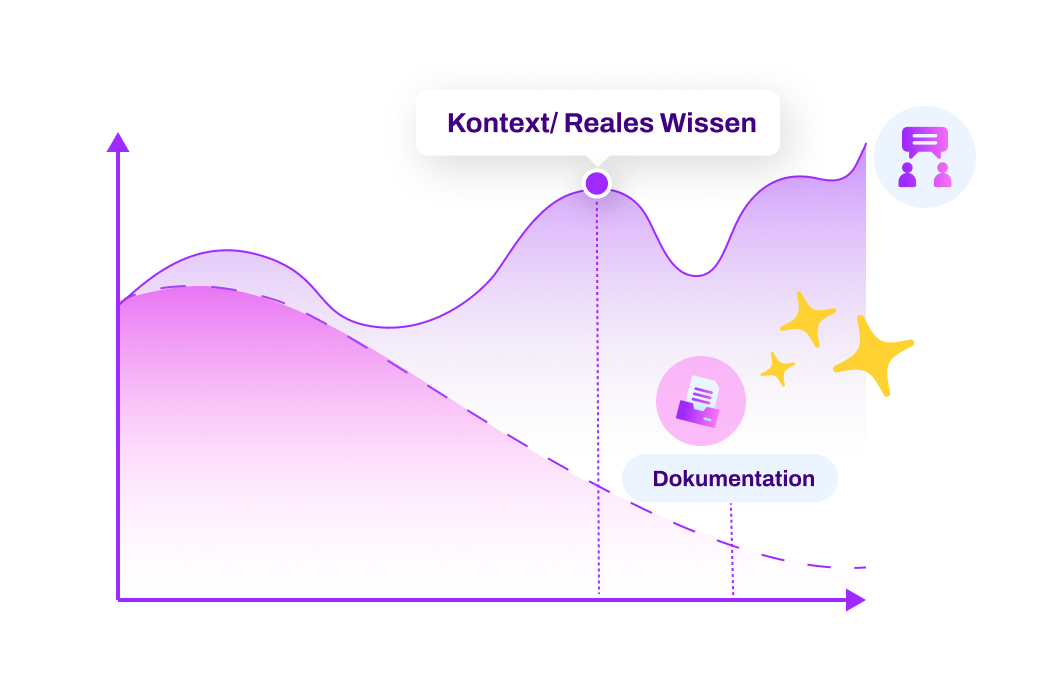
The problem is not a lack of documentation, but a lack of context.

In most companies, there are plenty of files, wikis, and chats. Nevertheless, the most critical information remains invisible: exceptions, practical experience, and the knowledge of why things are actually done a certain way.
  • Retirement and turnover draw context out of the organization, often requiring a clean handover.
  • During projects and reorganizations, knowledge is lost that no one can later reconstruct.
  • Onboarding becomes a matter of shouting, which takes weeks and blocks the strongest people.
  • When multiple versions are in circulation, quality, security, and speed decrease.

This is how automated knowledge management works with Omnora

A single interview topic is enough. You can start completely without prior knowledge or include existing documents as context. The AI takes care of the rest, including structuring, processing, and suggestions for follow-up questions.
1

Define topic or occasion

For example: role assignment, retirement, project completion, critical process, or tool update.
2

Conducting an AI interview

We start with an exploratory interview to understand areas of responsibility, interfaces, tools used, and knowledge hotspots.
Omnora then automatically conducts in-depth interviews until exceptions, decision-making logic, and experiential knowledge are clearly captured. Pausing and resuming later is possible at any time.
  • Exploratory interview: High-level overview of tasks, collaboration, systems and typical stumbling blocks.
  • In-depth interviews: targeted follow-up questions per area of ​​knowledge, including special cases, warning signs, and decision-making heuristics.
  • Continuous questioning process: Validation questions keep knowledge up-to-date and clarify contradictory statements between multiple experts.
  • The process runs fully automatically after starting. However, you can intervene at any time, add your own topics, or edit suggestions.
3

Automatic processing

Omnora creates structured knowledge formats from the answers, which are immediately understandable.
4

Review and distribution

They check, distribute, and play content from where it is used, in the portal, in the LMS, or directly in the process.

Core functions

Automation of knowledge assurance

Once started, Omnora independently carries out the knowledge acquisition process and builds a robust knowledge foundation, instead of just saving a single interview.

Method-based AI expert interviews

  • Exploratory Interviews
  • In-depth interviews
  • Continuous survey process
  • Capturing implicit knowledge
  • Experience knowledge
  • Competence to act
  • Decision heuristics
  • Include documents and media files
  • Connect external systems

Method-based AI expert interviews

We begin with an exploratory approach to understand areas of responsibility, interfaces, and the tools used. The interviews then automatically become more specific, with in-depth interviews on each topic and dynamic follow-up questions to clarify any uncertainties. After some time, validation questions are added to ensure that knowledge remains up-to-date. If statements from multiple experts conflict, Omnora asks clarifying questions until the facts are resolved. The process continues fully automatically once started, but you can intervene at any time.

Exploratory Interviews

We'll start with an exploratory interview to get a rough overview: What does the person actually do, who do they work with, what systems and tools do they use, and where is a lot of experiential knowledge located?

You can start with absolutely no prior knowledge. Alternatively, you can include documents or media files so that the AI ​​works directly with context.

In-depth interviews

After the exploratory introduction, Omnora knows the most important areas of knowledge and recognizes where a particularly large amount of experiential knowledge lies. In further interviews, the AI ​​then delves deeper – topic by topic – until processes, exceptions and decision logics are truly understandable.

The more interviews take place, the less exploratory and the more precise the follow-up questions become.

Continuous survey process

The knowledge capture process is fully automated once it has started. After a while, validation questions are introduced – for example, whether processes are still up-to-date or if anything has changed. Omnora also resolves discrepancies between multiple experts by asking comparison questions.
At the same time, you retain full control: You can add your own topics, review suggestions, edit content, or pause interviews and resume them later at any time.
In everyday life, this means:
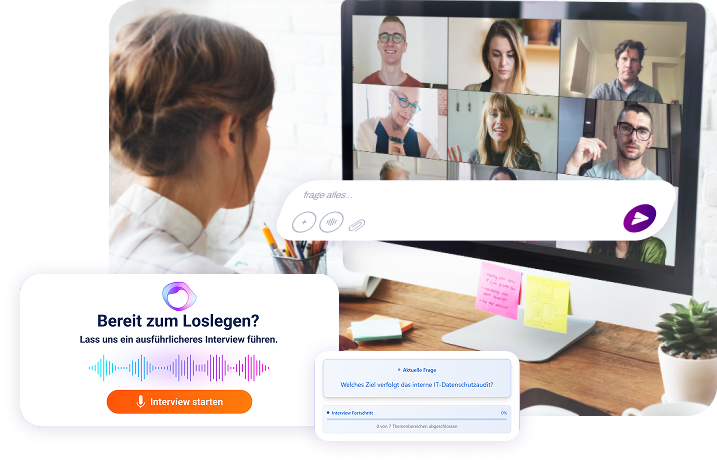
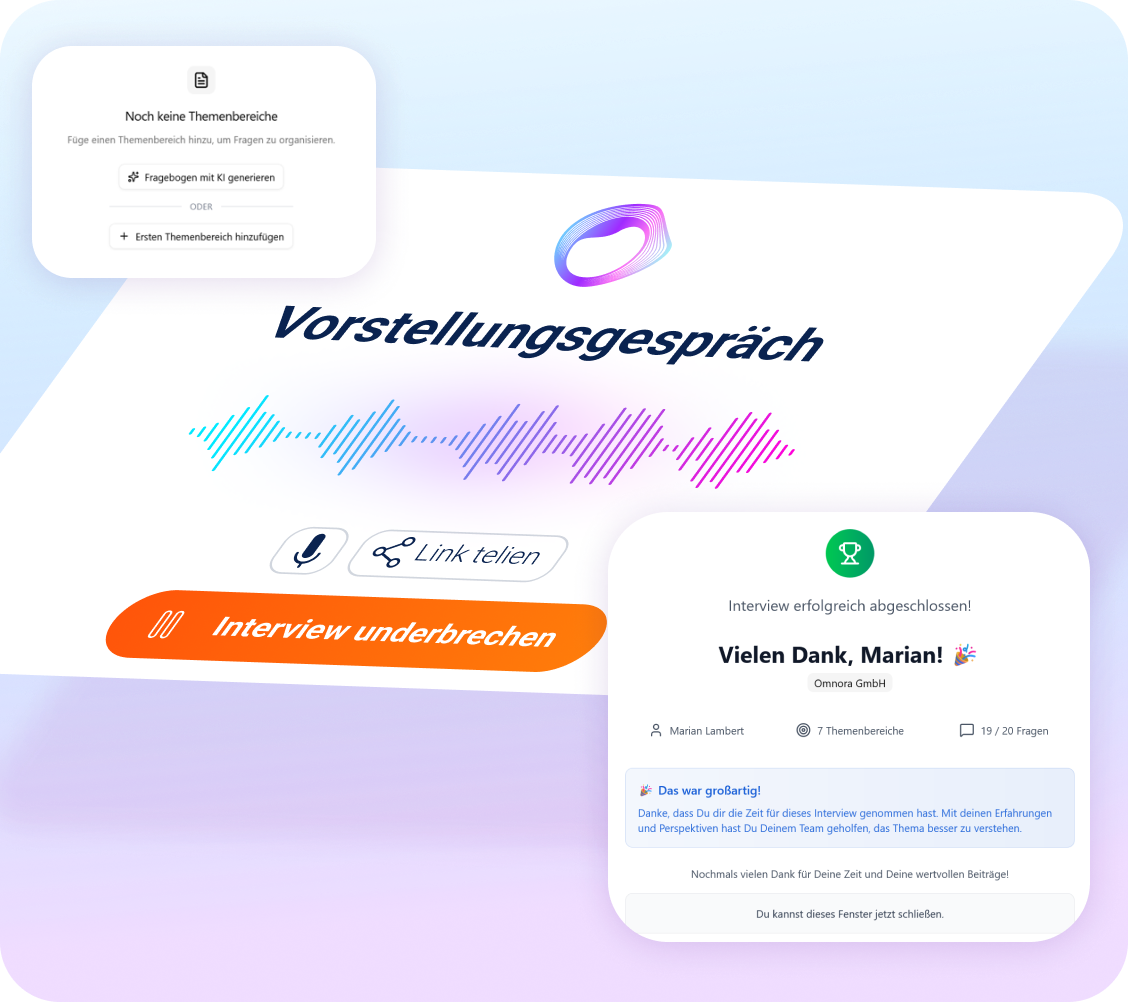
Browser-based, no setup required: simply enable the microphone once and start immediately.
  • Flexibility: Pause and resume later without losing the thread.
  • Agility: Unclear points can be skipped and added later.
  • Context support: Documents can be used as context upon request, so that the AI ​​can ask the right questions faster.
  • Sustainability: Automatic follow-up interviews and suggestions for next topics ensure that knowledge is retained.


Capturing implicit knowledge

Omnora doesn't just ask about process steps, but about the "why" behind them. In this way, implicit knowledge becomes tangible, knowledge that otherwise only exists in the minds of individual experts.
  • Exceptions and special cases that are not included in any SOP (Standard Operating Procedure).
  • Warning signs and typical sources of error that teams would otherwise have to learn expensively through mistakes.
  • Decision heuristics: Which factors really matter when speed is essential?
Specifically, this includes:
  • Decision heuristics: Short rules and criteria that really matter in everyday life.
  • Action competence: How experts prioritize, improvise, and implement decisions.
  • Decision heuristics: Short rules and criteria that really matter in everyday life.

Include documents and media files

You don't need to rewrite knowledge. Omnora can incorporate existing materials as context, from PPTs and PDFs to guides, notes, screenshots, or screen recordings. This allows the AI ​​to ask the right questions faster and remain consistent in terminology and process logic.
  • Add PPTs, PDFs, guides, or recordings of the interview.
  • Use existing documents without having to re-record everything.
  • Terminology and technical terms can be kept consistent through a glossary.

Connect external systems

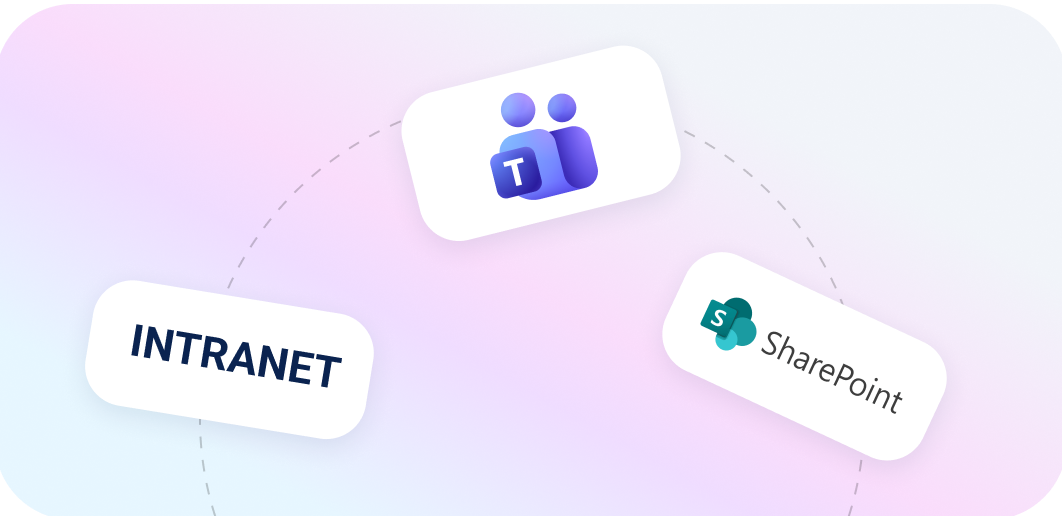
Knowledge retention only works when the results appear where work and learning take place. That's why Omnora can be integrated into your system landscape, from LMS to intranet or Teams.
  • Export as SCORM or xAPI for your LMS, including tracking.
  • Embedding in intranet, SharePoint or Teams via embed.
  • Optional integration with DMS, Wiki or process platforms ensures that knowledge management does not remain an isolated project.

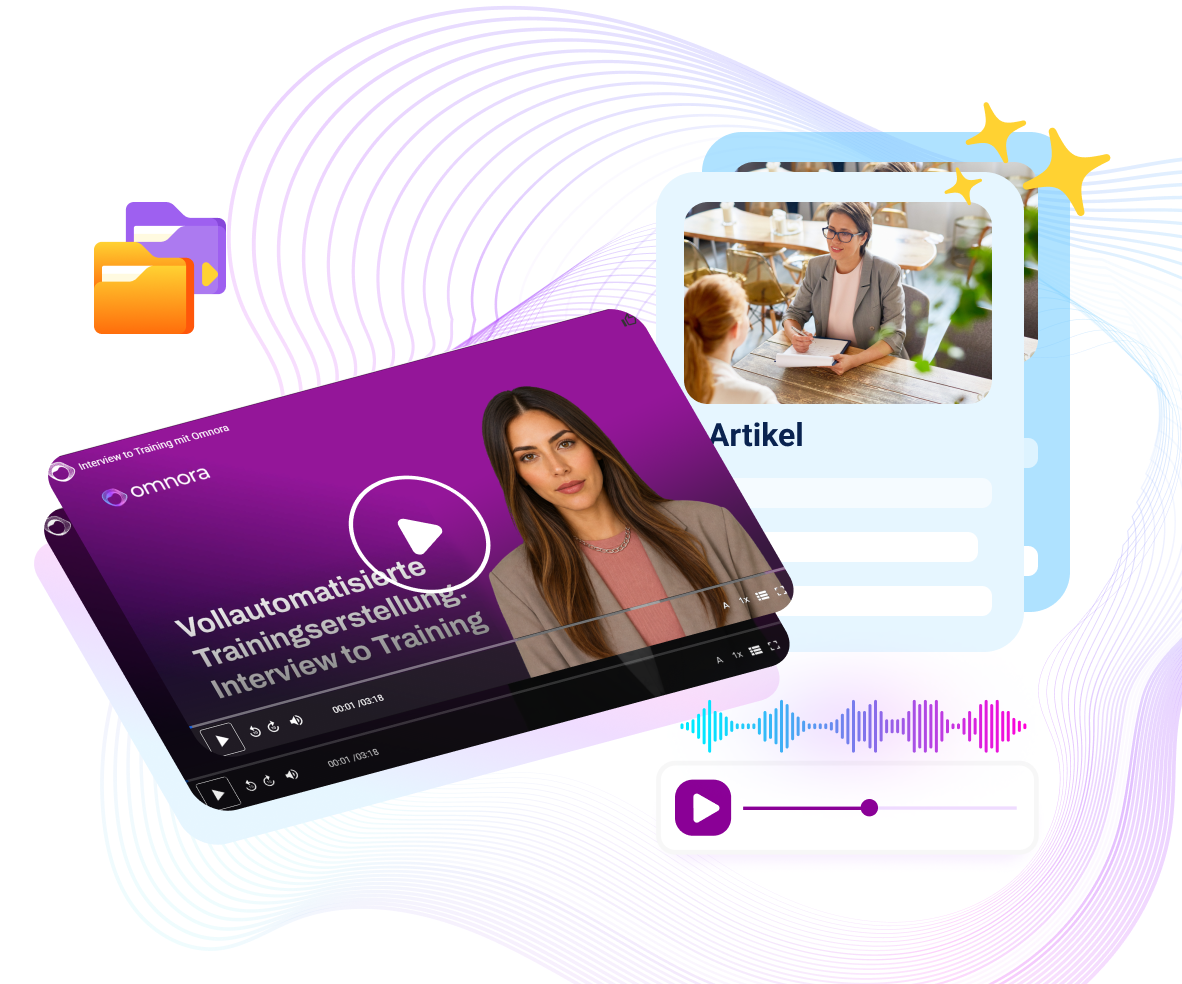
The interview automatically generates content that teams actually use, instead of creating more files.

  • Handover documents and step-by-step instructions.
  • Knowledge articles with a clear structure, tables, and highlights.
  • Training videos and learning series, optionally with avatar and quiz.
  • Audio summaries for on the go.

Enterprise-grade security and data protection

Especially when dealing with experiential knowledge, sensitive contexts are often involved. Omnora is designed to process knowledge securely.
  • GDPR-compliant processing and hosting within the EU
  • TISAX-oriented security standards (for companies with high requirements).
  • Customer data is not used to train models.

For which scenarios is it particularly strong?

Retirement and offboarding

Securing the knowledge of departing colleagues without an interview marathon.

Role changes and project handovers

Decision logics and processes should be handed over cleanly before things get hectic.

Process and tool knowledge from specialist areas

Systematically record how-tos, special cases and best practices.

Compliance and mandatory training

Have the standards explained once; this will lead to training courses and knowledge checks.

Onboarding and enablement

Making new teams more productive faster, with knowledge on demand and suitable formats.

Support und Operations

Wiederkehrende Fragen reduzieren, weil Antworten auffindbar sind, nicht nur Personen.

FAQ

How does the interview process work in practice?
The interview is browser-based. The dialogue starts immediately after you enable your microphone. You can pause at any time and resume later from the same point.
Do experts need preparation?
No. The AI ​​guides the conversation. It's about telling how things really work. No script, no pre-produced slides.
Can we use existing documents?
Yes. Documents can be added as context. This allows the AI ​​to ask more targeted questions and requires less background knowledge.
Is it possible to do this in multiple languages?
Yes. It makes sense to first create and release in your own language, then add translations for rollouts.
What is the final outcome?
Depending on your needs, you will receive knowledge articles, handover documents, and training formats such as videos and quizzes. The goal is usability, not filing.
How much time should an expert allow?
Pragmatically, a fixed slot of about one hour often works well. This allows knowledge to be captured continuously without disrupting the daily routine.
Knowledge retention is the starting point, intelligence management is the scaling process.
If you don't want knowledge capture to remain a one-off project but rather want knowledge to be continuously updated, consolidated, and deployed in everyday work, Intelligence Management is the next logical step.
service-backlog

Knowledge retention is the start, intelligence management is the scaling.

If knowledge management is not to remain a one-off project for you, but rather requires continuous updates and application in everyday life, then Intelligence Management is the next logical step.

Secure knowledge. Save time. Remain capable of acting.

Start with an interview topic. Omnora turns it into actionable knowledge that truly benefits teams and successors.