Why do enterprise RAG projects fail after the prototype?
RAG (retrieval augmented generation) looks up relevant passages from your sources before every answer. In the prototype that works with 20 hand-picked documents. In rollout the system meets the real estate of content, with outdated material, contradictions and gaps. The documented effect, 40 to 71 percent fewer hallucinations, applies only to RAG with validated context (meta-analysis 2024). What is usually missing is a fifth layer: a trust layer with owner, validity, review status and origin for each knowledge object.
- The prototype misleads. Twenty good documents are not your real repository.
- Validation is a precondition. The documented effect only holds for verified context.
- Knowledge before model. Settle use case and knowledge needs before choosing a model.
RAG is now the standard approach when a company wants to bring its own content into a language model. The architecture is well understood, the tools are available, and first prototypes usually run within weeks.
Yet many of these projects stall after the prototype. Not on the technology.
What RAG delivers
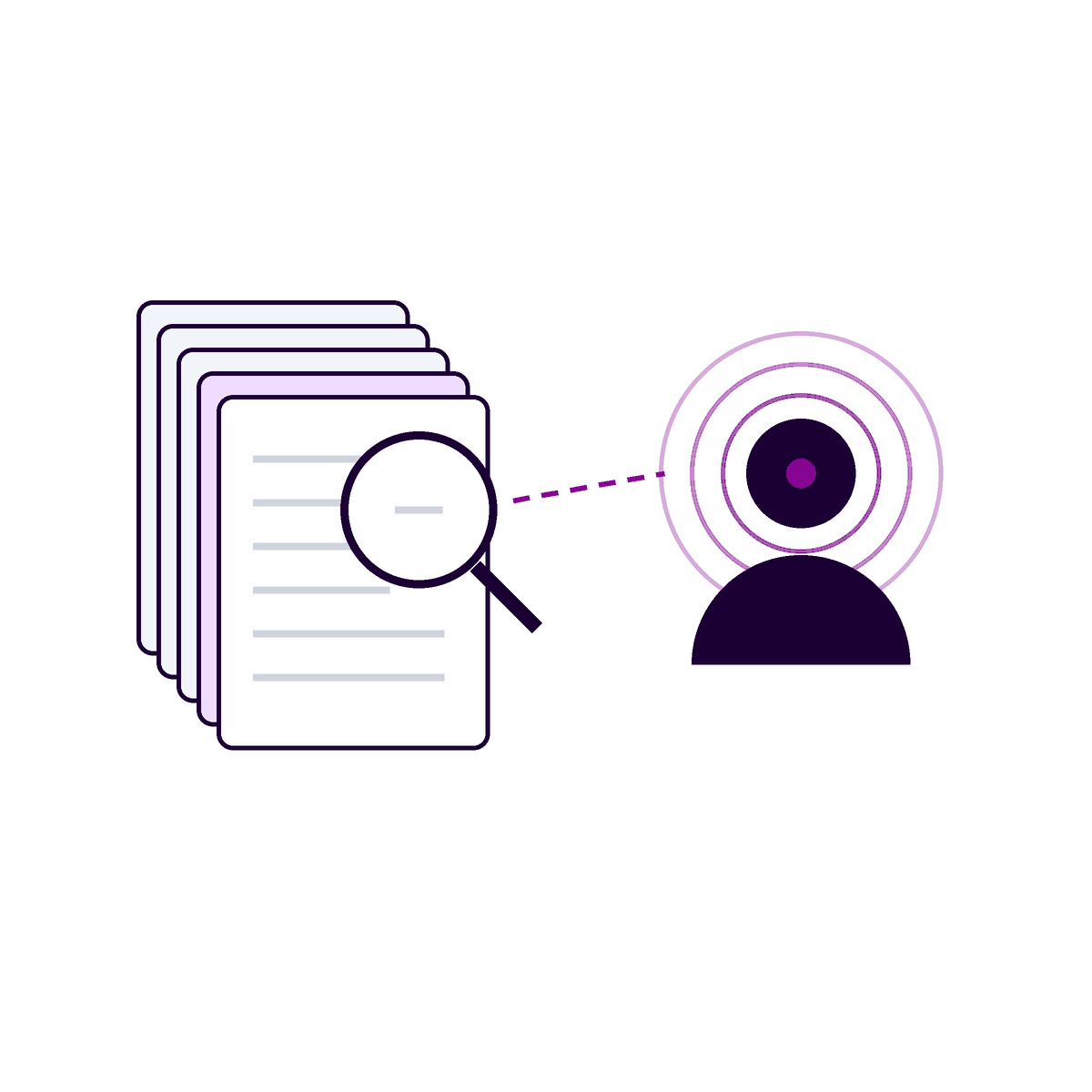
Retrieval Augmented Generation means, simplified: before the model answers, matching document sections are retrieved from your sources and placed into the prompt. The model then answers on the basis of those sections rather than from training knowledge.
The effect is documented. A 2024 meta-analysis cites a reduction in hallucinations of 40 to 71 percent through RAG with validated context. That qualifier matters: it applies to RAG with validated context, not to RAG alone.
Inside that qualifier sits the reason projects get stuck.
Why the prototype works and the rollout does not
In the prototype somebody picks 20 good documents. The answers are convincing, the demo runs, the budget arrives.
In the rollout you point the system at the real estate: SharePoint, file shares, Confluence, a few ticket systems. And three things sit there at once that were not in the test set.
1 Stale content
The work instruction from 2021 sits next to the one from 2025. Both are formally valid documents. Retrieval has no basis for choosing the right one.
2 Contradictions
Two departments described the same process differently. Both versions feed into the answer, and the model formulates a plausible blend from them that applies nowhere. Why a wiki does not correct this state on its own is set out in the piece on the Confluence alternative.
3 Gaps
What is not documented cannot be found. At 42 percent undocumented job-related knowledge (Panopto/McKinsey), the missing part is exactly what critical questions need. The model fills that gap, because that is what it is built for. And then it gets expensive.
The consequences are measured: 95 percent of AI pilots show no measurable ROI (MIT NANDA, 2025). 47 percent of enterprise AI users made at least one important business decision based on hallucinated content. And 4.3 hours per employee per week go on verification, roughly 14,200 dollars a year.
The layer missing from most architecture diagrams
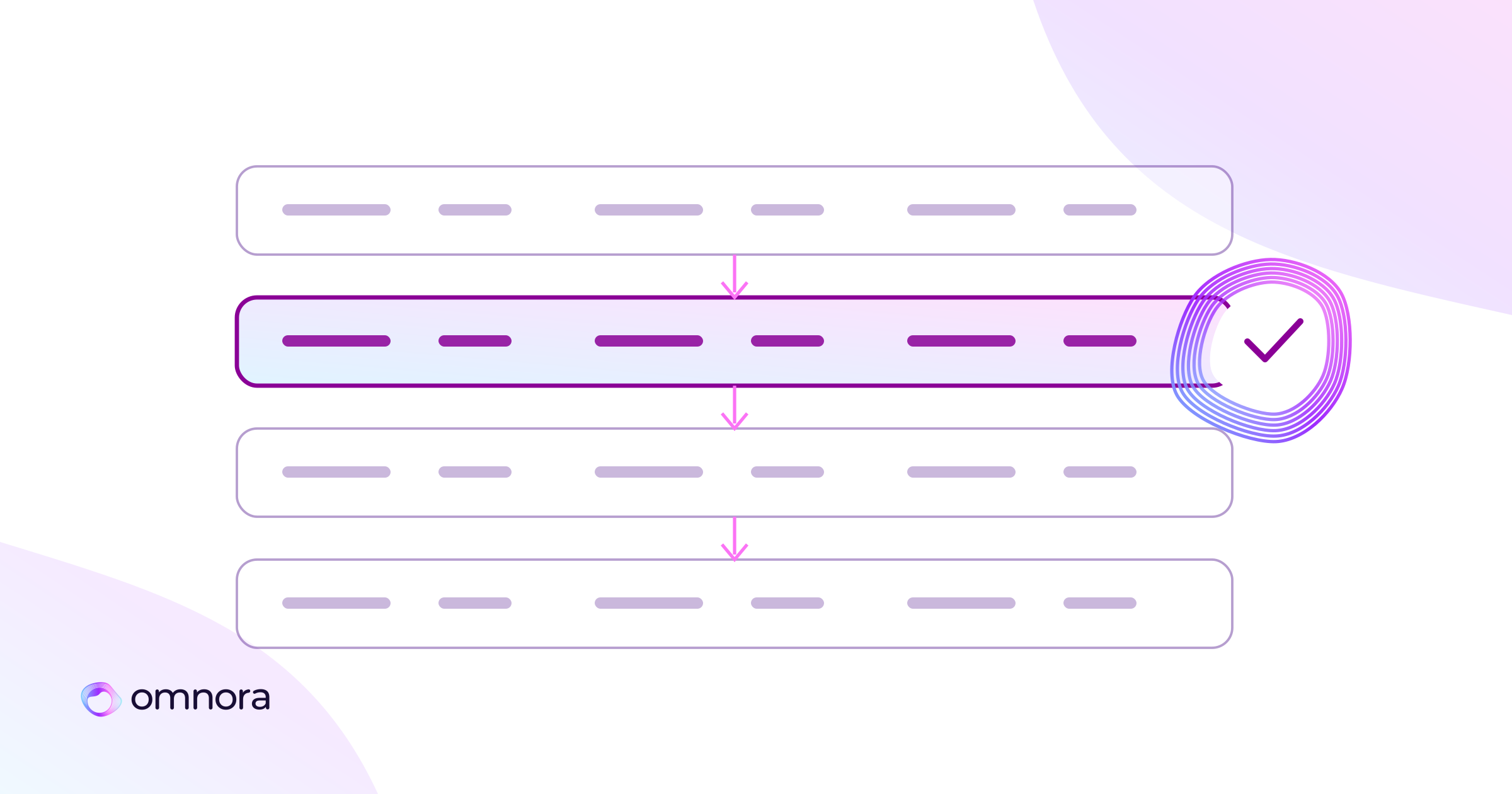
Typical RAG architectures consist of four building blocks: sources, indexing with embeddings, retrieval, generation. A fifth layer is missing in between.
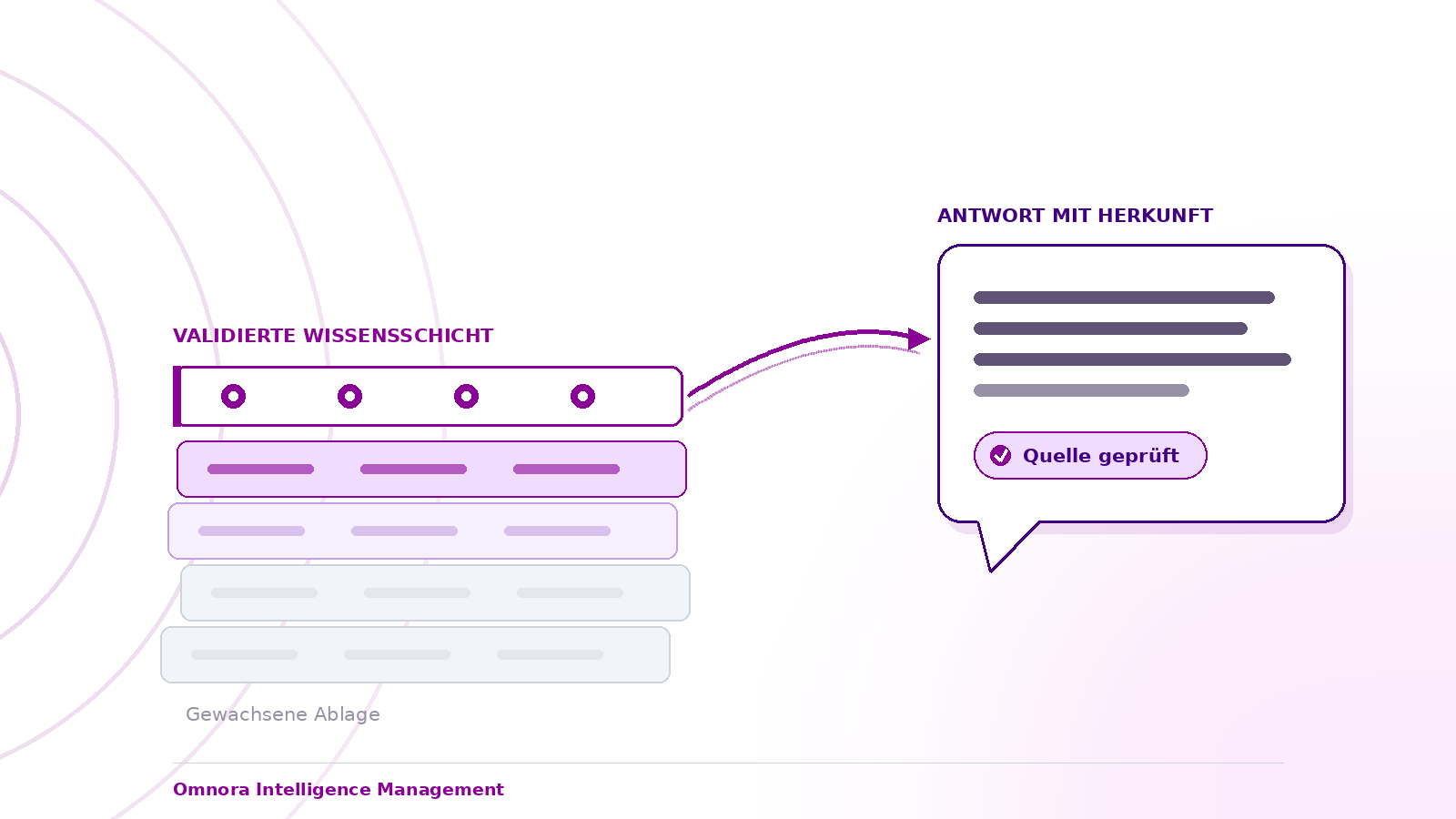
Call it the trust layer. Its job is to turn documents into reliable context before they are indexed. Every knowledge object in this layer needs four properties:
- Owner. A named person accountable for the statement.
- Validity date. When it was reviewed, until when it applies.
- Verification status. Verified, unverified, in conflict.
- Provenance. Where the statement comes from, which interview or document.
With these four attributes retrieval can prioritise rather than guess. And the answer can state its basis, which is the difference between a usable and a risky answer.
How the gap gets filled
The trust layer solves the contradiction and currency problem. It does not solve the gap problem, because a validation layer can only validate what exists.
For the gap a different mechanism is needed: active capture. AI-supported expert interviews get decision logic, exceptions and heuristics out of people's heads and introduce them as structured knowledge objects into the same layer. Consolidation runs along five dimensions: correctness, currency, relevance, freedom from conflict, completeness.
Only then is the precondition met under which the 40 to 71 percent apply: validated context.
Connecting to your existing landscape
Practically relevant: this layer does not replace your front end. It delivers context to what you already have, via RAG API, REST API and MCP server. SharePoint delivery is possible, Microsoft Copilot can be connected as a context consumer, SAP HR or Workday can serve as a trigger source, for example when a departure is pending. When building your own pays off and when it does not is set out in the comparison of Microsoft Copilot against custom enterprise AI.
The MCP server is the piece that counts for agent scenarios. An agent acting on its own needs context with provenance, not textual similarity. Without context, AI scales errors rather than competence.
What European organisations have to settle additionally
Two regulatory points have been in force since 2025 and belong in every architecture decision: EU AI Act Article 4 on AI literacy obligations since February 2025, and NIS-2 since December 2025.
In practice that means requirements on hosting, traceability and governance. Relevant characteristics in the assessment: EU hosting on Azure with data centres in Germany, GDPR compliance, TISAX assessment, no use of customer data for model training, complete and demonstrable deletion, role-based access control with an audit trail.
And a side topic with real risk: over 50 percent of employees use private GenAI for work without oversight (Gartner, February 2026). A working internal route is therefore also a measure against shadow AI.
The sequence that proves itself in practice
Not: pick a model, then look for data. The other way round.
Pick a concrete use case with measurable benefit, for example support answers for one product line or decision support in an operational process. Determine which knowledge that requires. Check how much of it exists documented, current and free of contradiction. Capture the gap actively. Only then build the retrieval.
That sequence is slower to start and faster to result. The reverse produces convincing demos and unusable rollouts.
How Omnora captures tacit expertise and makes it usable for your AI via AI chat and MCP server.
Building a corporate brain →Häufige Fragen
What is RAG in simple terms?
Retrieval augmented generation means that before a language model answers, relevant passages from your own documents are retrieved and passed along. The model then answers from those passages instead of its training data. Answer quality therefore depends directly on the sources.
Why does the RAG prototype work but the rollout does not?
In the prototype someone picks good documents. In rollout, outdated versions sit next to current ones, departments describe the same process differently, and much is not documented at all. Retrieval has no basis for choosing the right source.
What is a trust layer?
A layer between sources and index that turns documents into reliable context. Every knowledge object gets an owner, a validity date, a verification status and an origin. Retrieval can then prioritise, and the answer can show what it rests on.
How do you fill knowledge gaps in a RAG architecture?
A validation layer can only check what exists. Gaps need active capture: AI-assisted expert interviews draw out decision logic, exceptions and heuristics and feed them into the same layer as structured knowledge objects.
In what order should a RAG project be approached?
Start with a concrete use case with measurable value, then determine which knowledge it needs and how much of it is documented and current. Only then choose the model. That is slower to start and faster to results.
Quellen
- Meta-analysis (2024): Reduction of hallucinations through RAG with validated context [Study]
- Panopto / McKinsey: Share of job-related knowledge that is documented nowhere [Study]
- MIT NANDA (2025): Share of AI pilots without measurable ROI [Study]
- Gartner (February 2026): Use of private GenAI accounts for work [Study]
- EU AI Act, Art. 4 (since February 2025); NIS-2 (since December 2025) [Regulation]